
How to Choose Your Perfect Panelling and Tiles
Walls and floors set the tone for your whole bathroom. Whether you love the craftsmanship of traditional tiles, the seamless finish of wall panels, or a combination of both, the right surfaces will define the style of the room and make it easier to look after. This guide from HPS Chichester compares panelling and tiles, explores the most popular tile types and finishes, and highlights the practical points to plan for before work begins.
1. Planning and Measuring
Measure each wall and floor area you want to cover, multiplying height by width and subtracting large openings such as doors and windows. Decide early which areas will be fully waterproof, such as shower enclosures and around the bath, and which are mainly decorative.
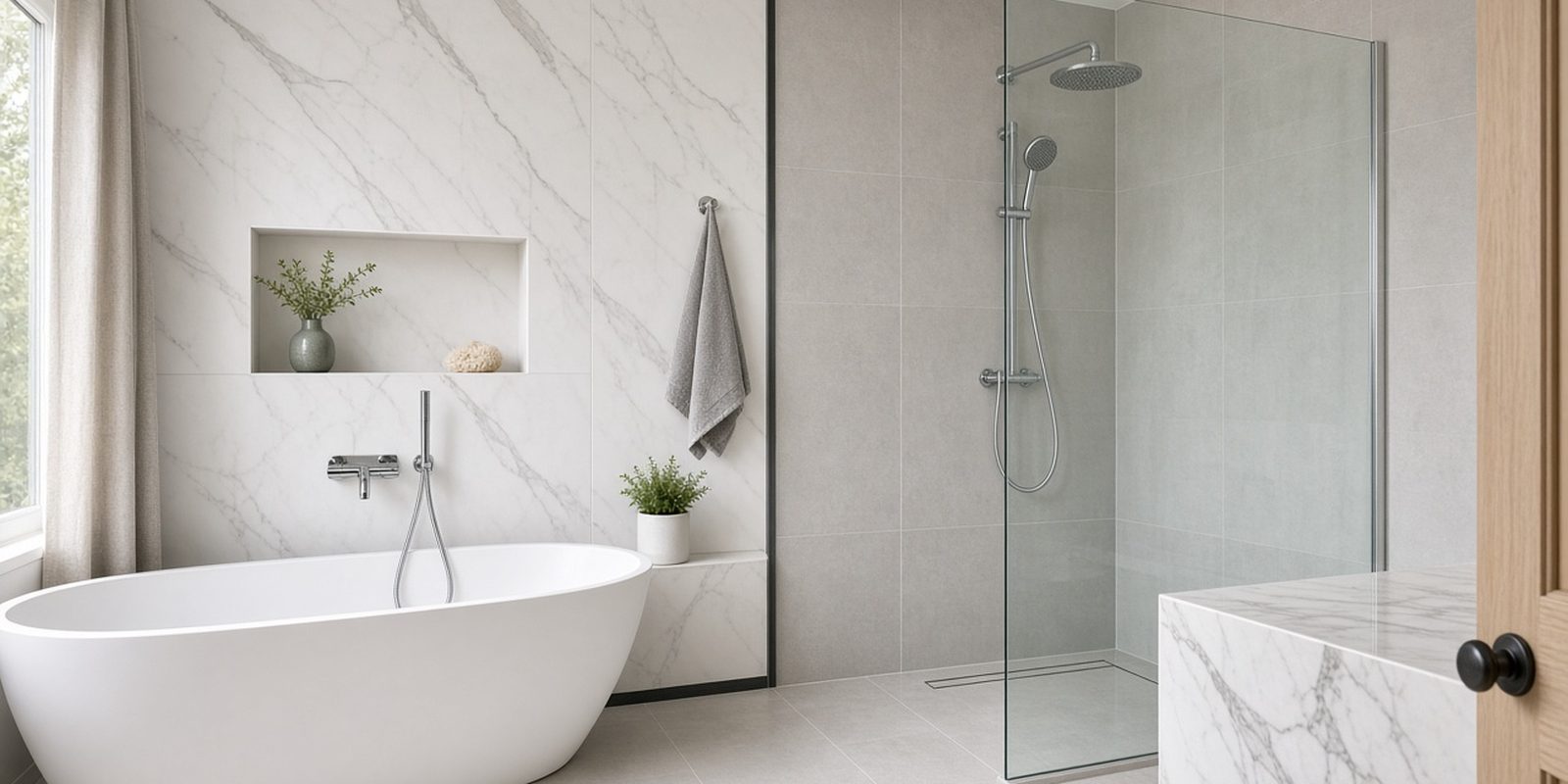
- Allow for Cuts: Always order a little extra to allow for cuts, breakages and pattern matching, and keep a few spare tiles or panels for future repairs.
- Mix and Match: Many bathrooms combine finishes, for example panels in the shower and tiles on the floor or behind the basin. Plan where one finish meets another so the transition looks deliberate.
- Wall Condition: Check walls are sound, flat and dry. Tiles need a stable, well-prepared surface, while many panels can be fitted over existing surfaces.
A simple plan of each wall, showing fittings, niches and where tiles or panels will start and stop, will help you visualise the finished room and order the right quantities.
2. Types of Tiles and Panelling
Here are the main options for bathroom walls and floors, each with its own look and benefits:
Ceramic Tiles
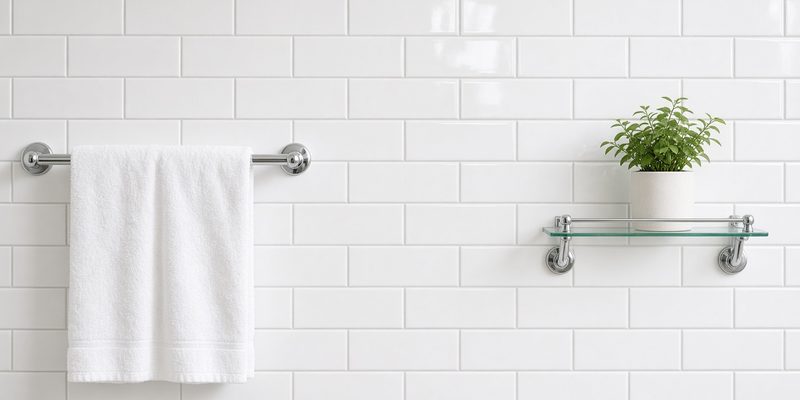
A popular and versatile choice for bathroom walls. Ceramic tiles are available in countless colours, shapes and sizes, from classic metro tiles to decorative patterns, and are easy to cut and fit.
Porcelain Tiles
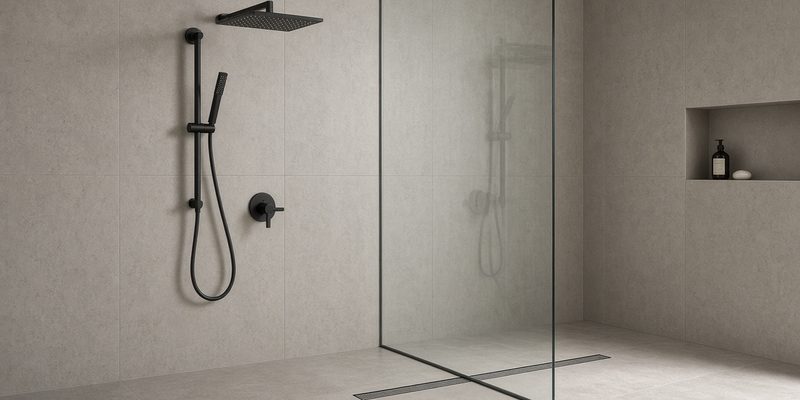
Denser and harder-wearing than ceramic, porcelain tiles have very low water absorption, making them well suited to floors, shower areas and wet rooms. Many realistically replicate stone, concrete or wood.
Natural Stone Tiles
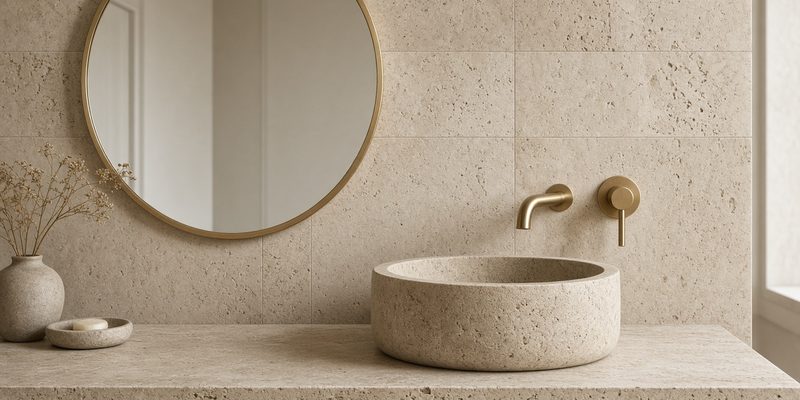
Marble, travertine, slate and limestone bring unique natural character, with no two tiles exactly alike. Stone needs sealing and gentle care, but rewards you with a timeless, luxurious finish.
Mosaic Tiles
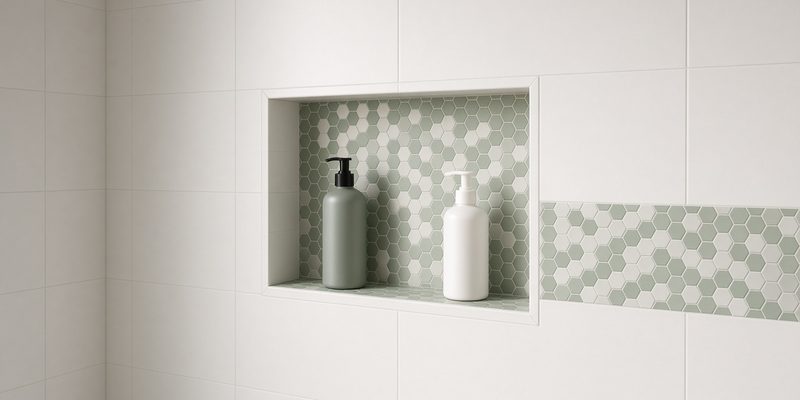
Small tiles supplied on mesh sheets, ideal for feature strips, shower niches and curved surfaces. Mosaics add texture and detail and are a great way to introduce colour in smaller doses.
Large-Format Tiles
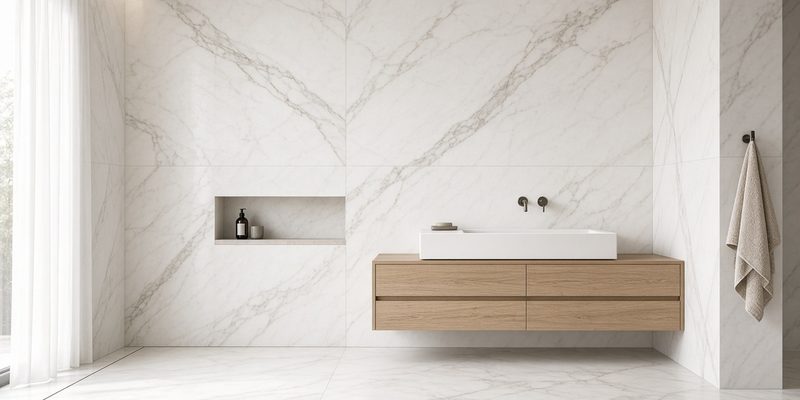
Large tiles and slabs mean fewer grout lines for a calm, contemporary look that can make a room feel bigger. They require a very flat surface and careful installation.
Wall Panels
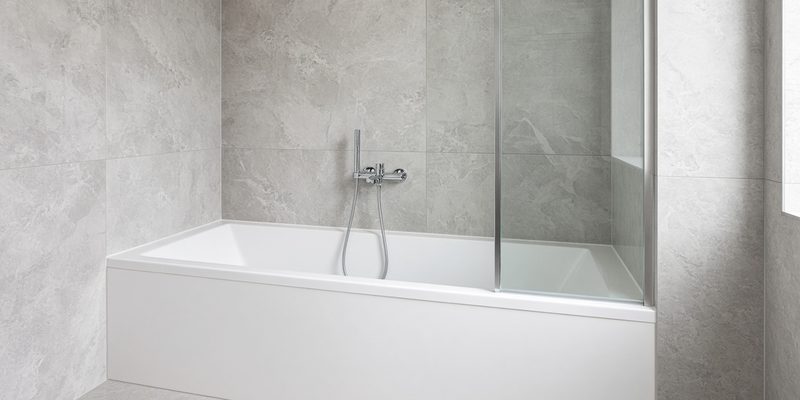
Waterproof wall panels offer a grout-free alternative to tiles, with quick installation and minimal maintenance. They are ideal around baths and showers. See our Wall Panelling Guide for more detail.
3. Popular Finishes and Patterns
The finish and layout of your tiles can completely change the feel of a bathroom:
Gloss Finish
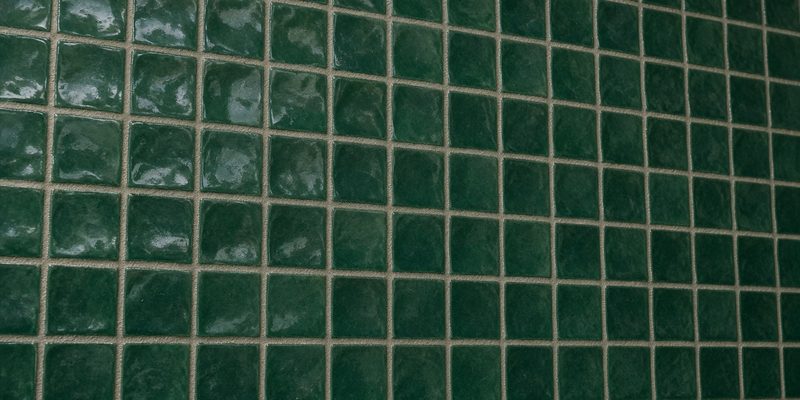
Gloss tiles reflect light around the room, helping smaller bathrooms feel brighter and more spacious. They are easy to wipe clean and work beautifully on walls.
Matt Finish
Matt tiles have a soft, natural, non-reflective look that feels calm and contemporary. They are a popular choice for floors and for stone or concrete effects.
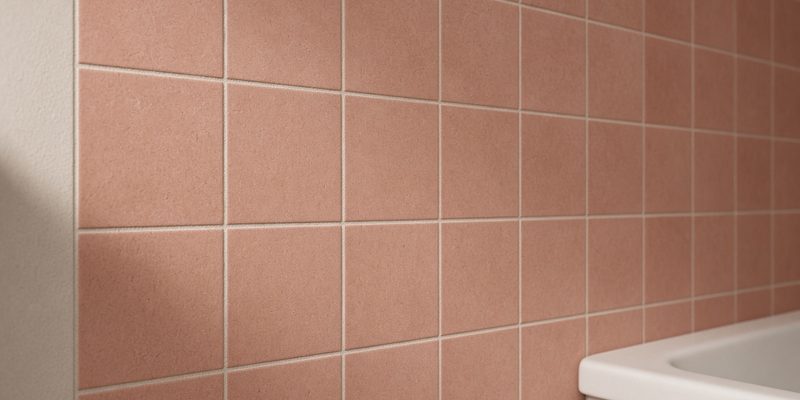
Textured & Anti-Slip
For floors, shower trays and wet rooms, look for textured or anti-slip finishes that offer extra grip when wet. Ask us which tiles are suitable for floor use in wet areas.
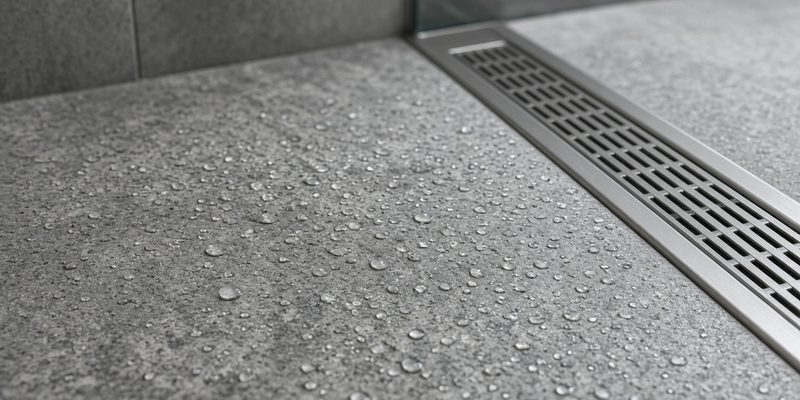
Layout Patterns
The same tile can look very different depending on how it is laid. Stacked, brick-bond, herringbone and chevron layouts each create a distinct style and can be used to draw the eye.
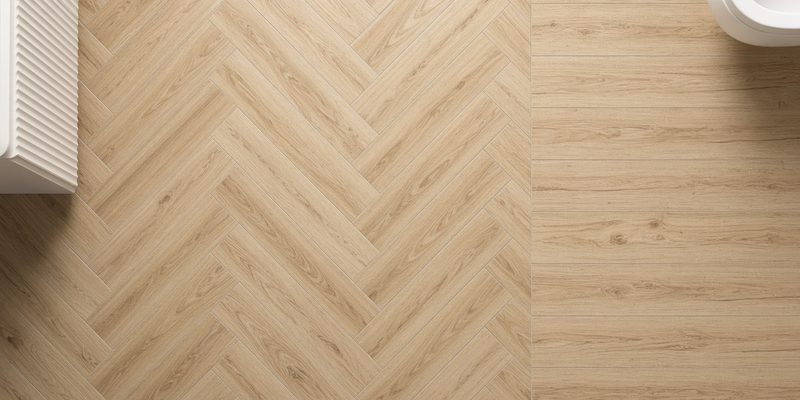
4. Additional Panelling and Tile Considerations
- Panels or Tiles?: Panels are quick to fit and have no grout to clean, while tiles offer the widest choice of sizes, textures and patterns. Many bathrooms use both to get the best of each.
- Waterproofing: In showers and wet rooms, walls and floors should be properly waterproofed (tanked) before tiling, and all joints sealed with a suitable sanitary silicone.
- Grout & Sealing: Grout colour has a big impact on the finished look: matching grout creates a seamless effect, while contrasting grout highlights the pattern. Natural stone and some grouts need sealing.
- Underfloor Heating: Tiled floors pair well with underfloor heating. Check that your chosen tiles and adhesive are suitable before installation.
- Trims & Edges: Plan how edges, corners and the joins between panels and tiles will be finished. Matching trims give a crisp, professional result.
- Maintenance: Regular cleaning with a pH-neutral cleaner and good ventilation will keep tiles, grout and panels looking their best for longer.
By weighing up the look, practicality and upkeep of each option, you can choose panelling and tiles that bring your bathroom design together beautifully.
Visit our bathroom showroom at HPS Chichester, Book a Design Visit, or call us on 01243 785 805.