
How to Choose Your Perfect Bathroom Radiator
A warm bathroom and a warm, dry towel are two of life’s small luxuries. Heated towel rails and bathroom radiators do both jobs, and today they come in a huge range of styles, sizes and finishes to suit any bathroom. This guide from HPS Chichester explains the main types of bathroom heating, the finishes available, where to position them and how to make sure you choose one with enough heat output for your room.
1. Heat Output and Planning
The most important step is making sure your radiator or towel rail can heat the room properly. Heat output is usually shown in Watts or BTUs, and the output you need depends on the size of the room, the number of external walls and windows, and how well the room is insulated.
Work Out the Heat Output You Need
Use our Heat Output & Radiator Sizing Calculator to estimate the heat output your bathroom needs before you choose a radiator or towel rail. It only takes a minute and helps you compare models with confidence.
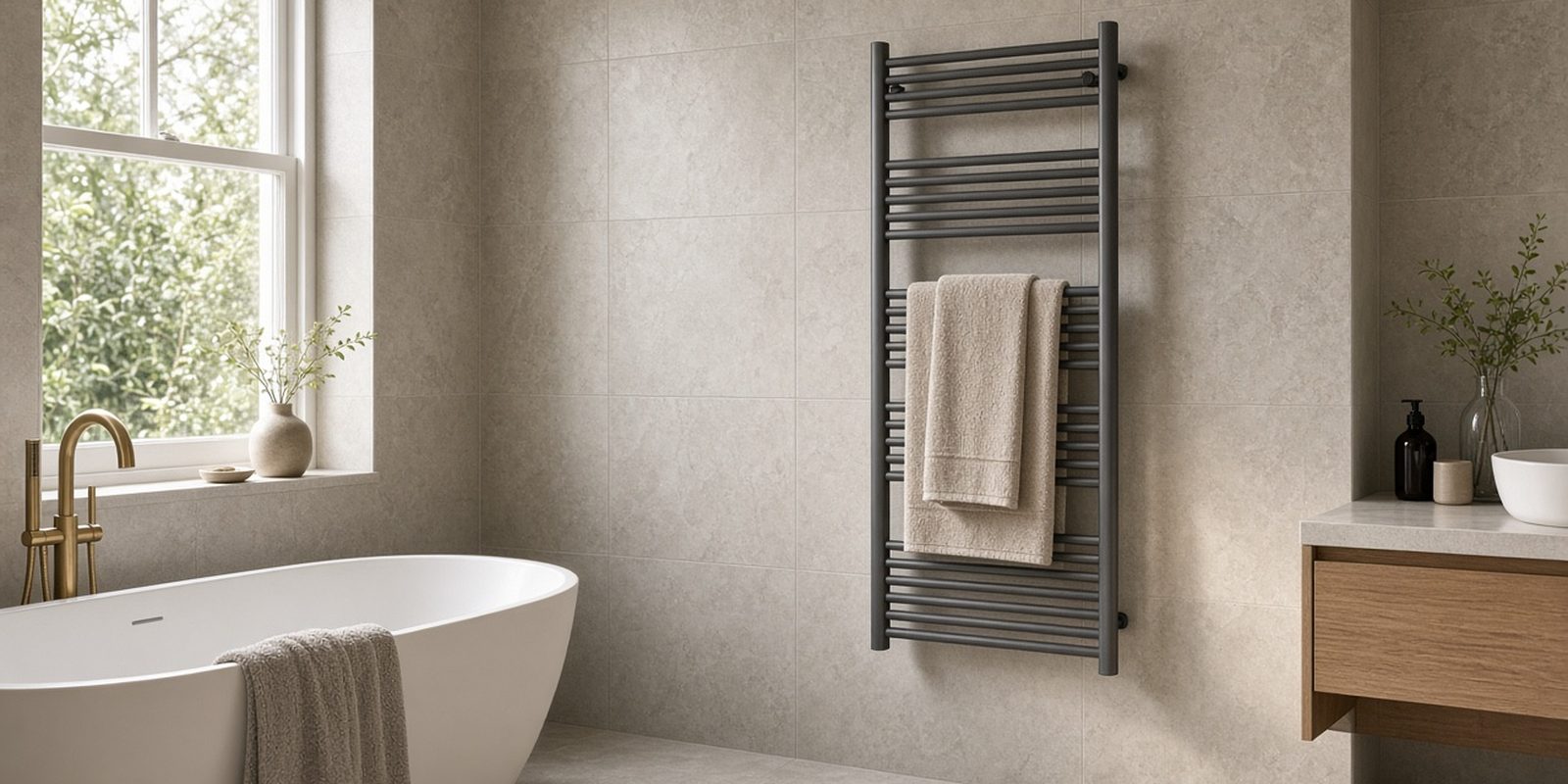
- Wall Space: Measure the wall space available, including the height. Tall, narrow towel rails can provide good output where wall width is limited.
- Towels Reduce Output: A rail covered in towels will give out less heat to the room. If the rail is your only heat source, choose one with some extra capacity or add a second heat source.
- Pipe Positions: Note where your existing heating pipes are. Moving pipework is possible but adds to installation time, so it is worth planning early.
Not sure which product suits you? Bring your room measurements to the showroom and we can help you compare options.
2. Types of Bathroom Radiators and Towel Rails
There are several ways to heat your bathroom and dry your towels:
Heated Ladder Towel Rails
The most popular choice for bathrooms. Ladder rails have horizontal bars that are ideal for hanging towels and are available straight or curved, in many heights and widths.
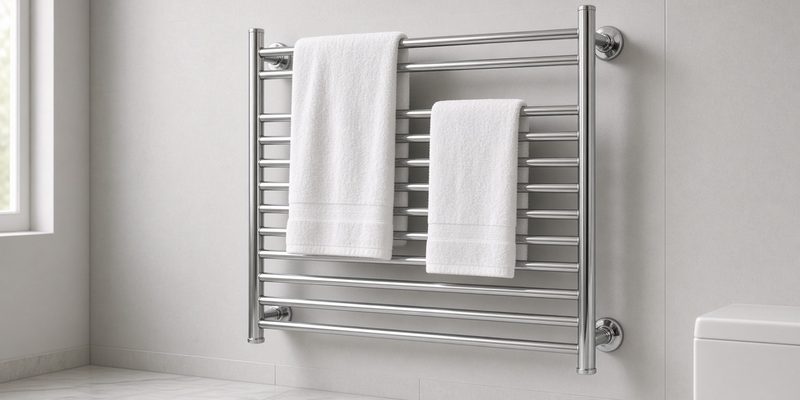
Designer Towel Radiators
Designer radiators turn heating into a feature, with flat panels, unusual shapes and bold finishes. Many include bars or hooks for towels as well as heating the room.
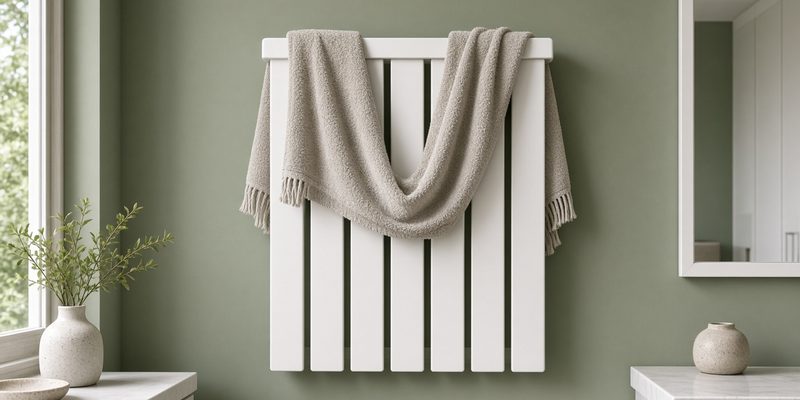
Column Radiators
Traditional column radiators suit period and classic bathrooms. Adding a towel bar across the front gives you somewhere to warm towels too.
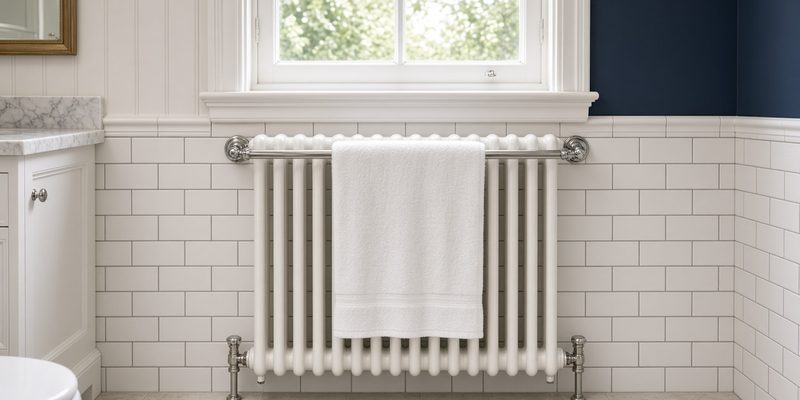
Electric Towel Rails
Electric rails work independently of your central heating, so they can be used all year round. They are a practical choice where running new pipework would be difficult.
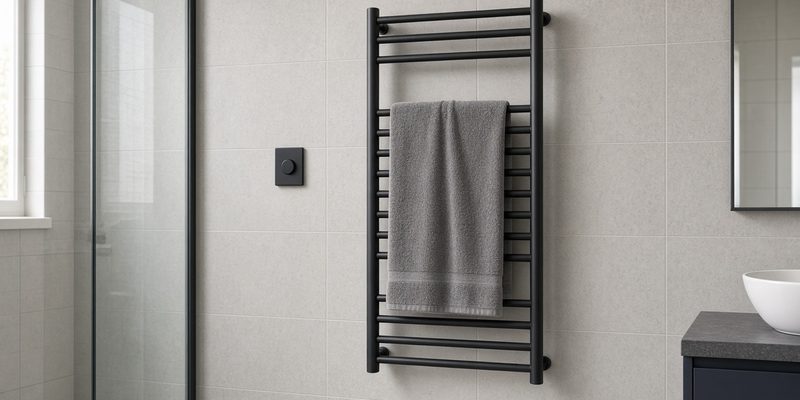
Dual-Fuel Towel Rails
Dual-fuel rails are connected to your central heating and also fitted with an electric element, so they heat with the boiler in winter and can run on electricity alone in warmer months.
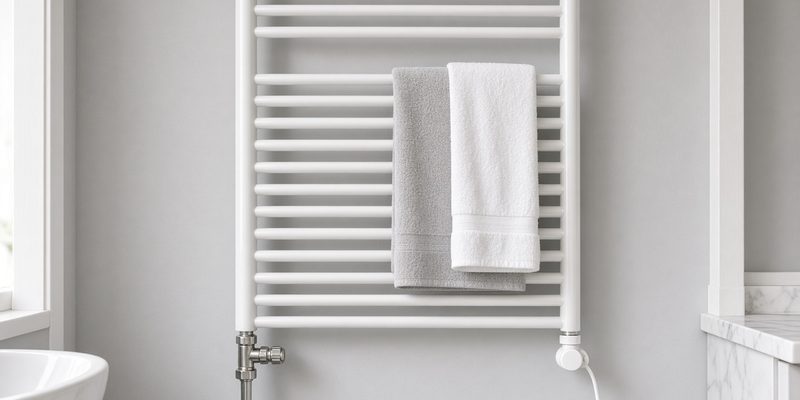
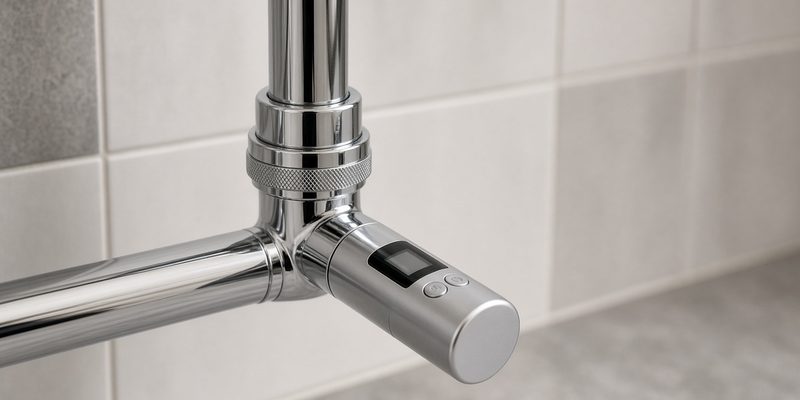
Thermostatic Heating Elements
A thermostatic element lets you set a temperature and, on many models, a timer or boost function, giving you more control over comfort and running time for electric or dual-fuel rails.
3. Materials and Finishes
The finish of your rail affects both its look and, to some extent, its heat output:
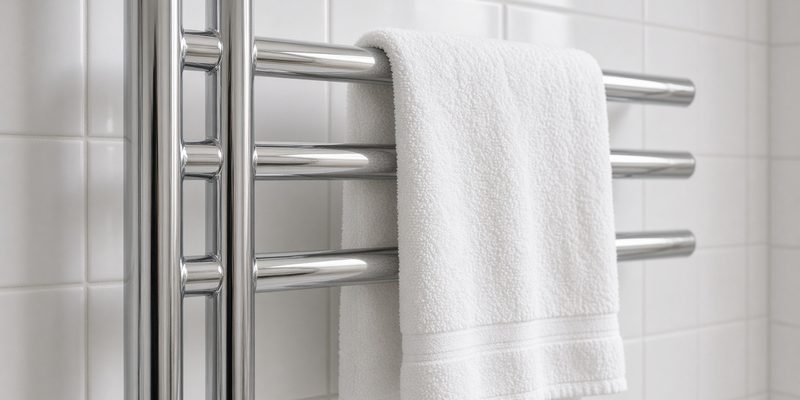
Chrome
Chrome is the classic bathroom finish, bright and easy to coordinate with taps and accessories. Chrome rails typically give out less heat than a painted rail of the same size, so check the stated output.
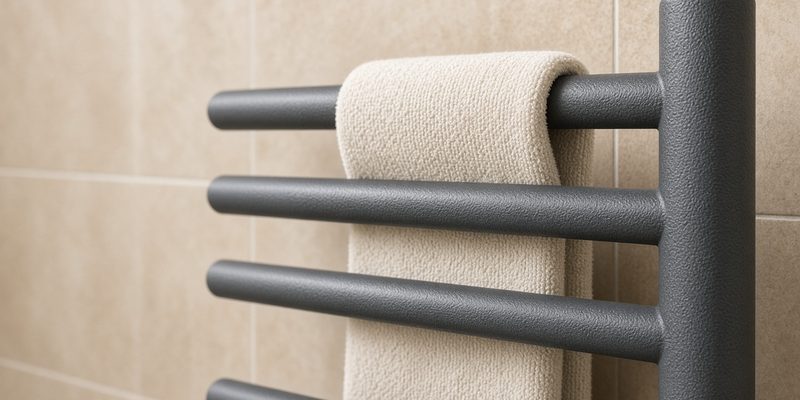
Anthracite & Matt Black
Anthracite grey and matt black create a bold, contemporary look and pair well with dark taps and fittings. Painted finishes like these are good at radiating heat.
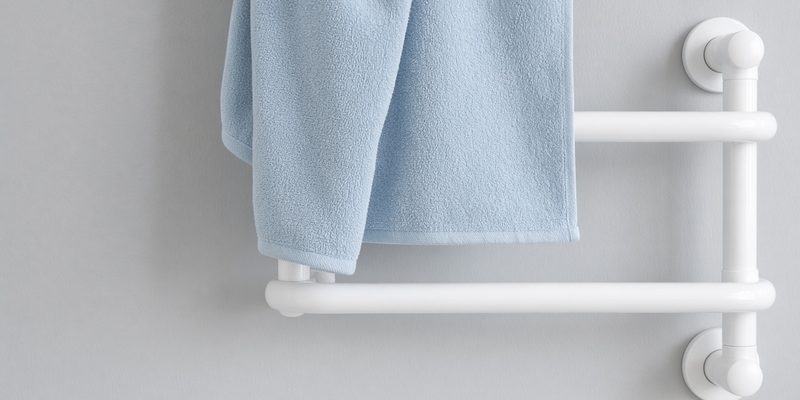
White
White rails blend quietly into light bathrooms and suit both modern and traditional schemes. They are an easy, versatile choice.
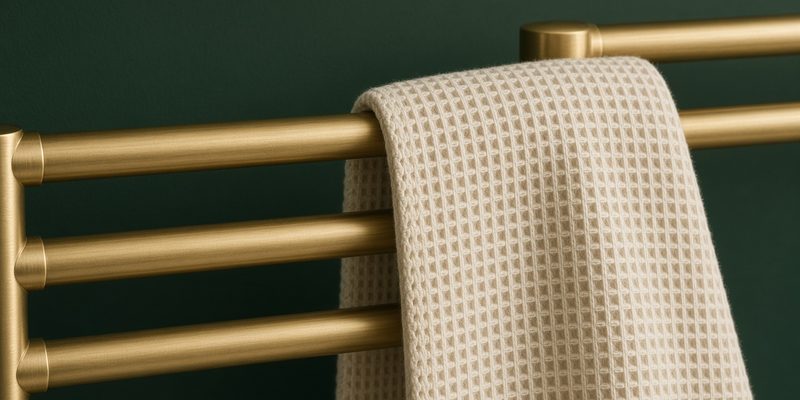
Brushed Brass & Special Finishes
Brushed brass, brushed nickel and other designer finishes add a luxurious touch and can be matched to your taps and accessories.
4. Placement and Safety
- Position: Place your rail where towels are easy to reach from the bath or shower, but where it will not be splashed constantly. Avoid positions where the rail could block doors or cabinets.
- Electrical Zones: Bathrooms are divided into zones based on how close they are to water. Any electric or dual-fuel rail, element or control must have a suitable IP rating for its zone and be installed by a qualified electrician in line with current wiring regulations.
- Valves & Controls: Choose valves that suit the style of your rail and are easy to reach. Thermostatic radiator valves can help control room temperature on central heating rails.
- Fixings: Towel rails carry the weight of the rail, the water inside and wet towels, so make sure the wall and fixings are suitable, especially on stud walls.
- Running Costs: Electric rails are convenient but you should consider running costs. Timers and thermostatic elements help you heat only when needed.
- Non-Heated Rails: If you simply need somewhere to hang towels, non-heated towel bars and rings are covered in our Bathroom Accessories Guide.
By working out the heat output you need and choosing a style and finish that suits your room, you can enjoy a warm bathroom and cosy towels every day.
Visit our bathroom showroom at HPS Chichester, Book a Design Visit, or call us on 01243 785 805.